


When it comes to choosing flooring, it’s easy to feel overwhelmed. There are so many options, and each promises something slightly different. However, one option that continues to stand out—especially in UK homes—is engineered wood flooring.
It offers the beauty of real wood, often at a more accessible price point, and with added practicality. But is it actually worth it?
Let’s take a proper look at the pros and cons, so you can decide with confidence.
What Is Engineered Wood Flooring?
Before we dive in, it’s important to understand what engineered wood flooring actually is.
Unlike solid wood, engineered wood is made up of layers. The top layer is real hardwood, while the layers beneath are typically plywood or high-density fibreboard. This layered structure gives it added strength and stability.
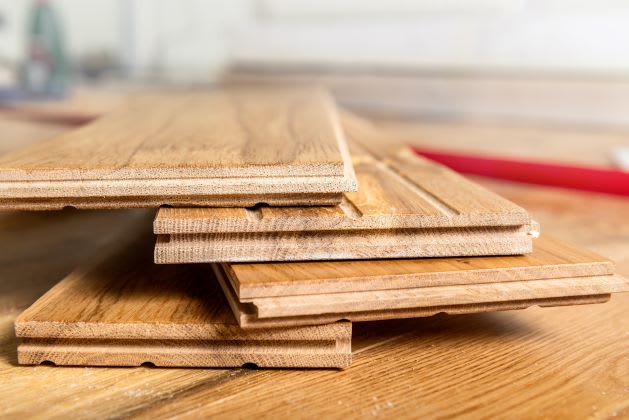
Understanding Engineered Wood Flooring in More Detail
If you’d like a deeper understanding of how engineered wood flooring is constructed and why it performs so well in different environments, it’s worth exploring expert resources such as the National Wood Flooring Association.
They provide helpful guidance on how layered wood flooring works, including the role of the hardwood top layer and the supportive core beneath. This added insight can make it much easier to choose the right flooring for your home with confidence.
Why Engineered Wood Flooring Is So Popular
There’s a reason engineered wood flooring has become such a go-to choice. It strikes a lovely balance between style, durability, and cost.
Many homeowners are now prioritising:
-
Long-lasting materials
-
Natural finishes
-
Flooring that works with underfloor heating
Engineered wood ticks all of these boxes rather beautifully.
The Pros of Engineered Wood Flooring
1. Real Wood Look Without the High Cost
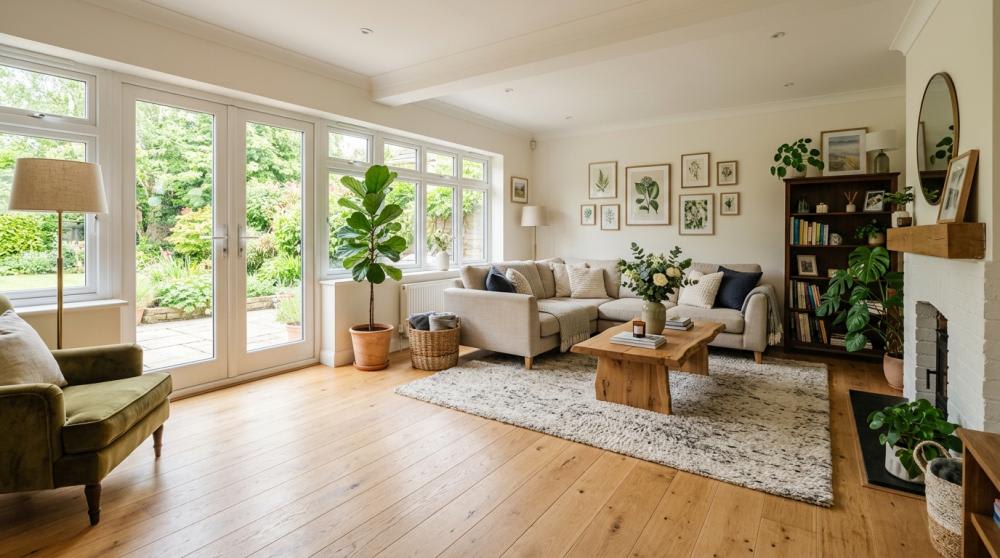
One of the biggest advantages is that you still get a genuine wood surface. The top layer is real timber, so visually, it’s almost identical to solid wood flooring.
However, it’s usually more budget-friendly, which makes it a brilliant option if you want that high-end look without overspending.
2. Excellent Stability
Because of its layered construction, engineered wood is far more stable than solid wood. It expands and contracts less with changes in temperature and humidity.
This makes it ideal for:
-
Kitchens
-
Hallways
-
Rooms with underfloor heating
It’s a practical choice for everyday living.
3. Suitable for Underfloor Heating
This is a big one, especially in UK homes.
Engineered wood works much better with underfloor heating than solid wood. The structure allows heat to pass through efficiently, while also reducing the risk of warping.
4. Wide Range of Styles
From soft natural oak tones to deeper, richer finishes, there’s something for every interior style.
Popular options include:
-
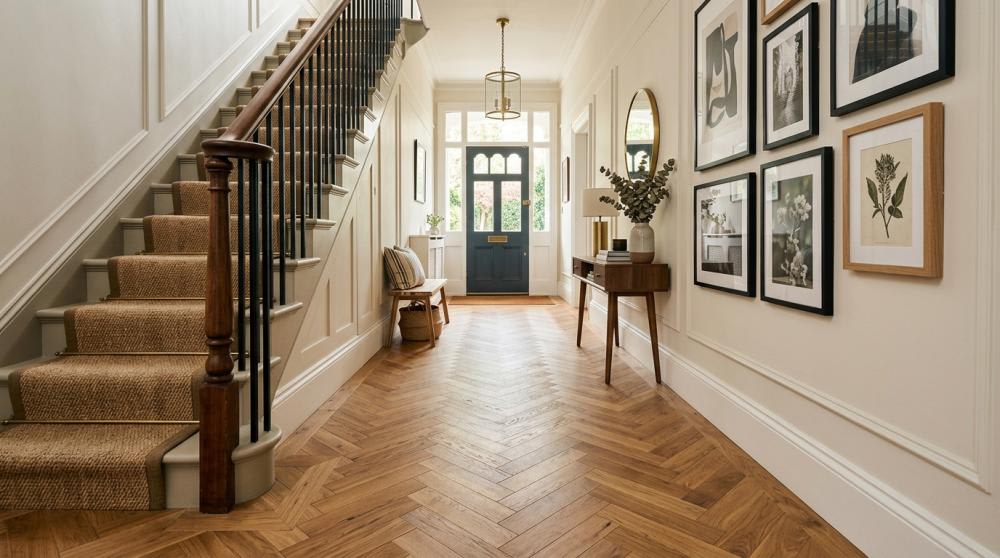
Herringbone patterns
-
Wide planks
-
Brushed and matt finishes
This versatility makes it easy to create a cohesive look throughout your home.
5. Easier Installation
Engineered wood is often quicker and easier to install compared to solid wood. Many options come with click systems, which can reduce fitting time.
This can help keep overall project costs down.
6. More Eco-Friendly Option
Because only the top layer uses hardwood, engineered wood flooring makes more efficient use of natural resources.
If sustainability is important to you, this can be a more environmentally conscious choice compared to solid wood.
The Cons of Engineered Wood Flooring
Of course, no flooring option is perfect. It’s just as important to understand the downsides.
1. Limited Sanding and Refinishing
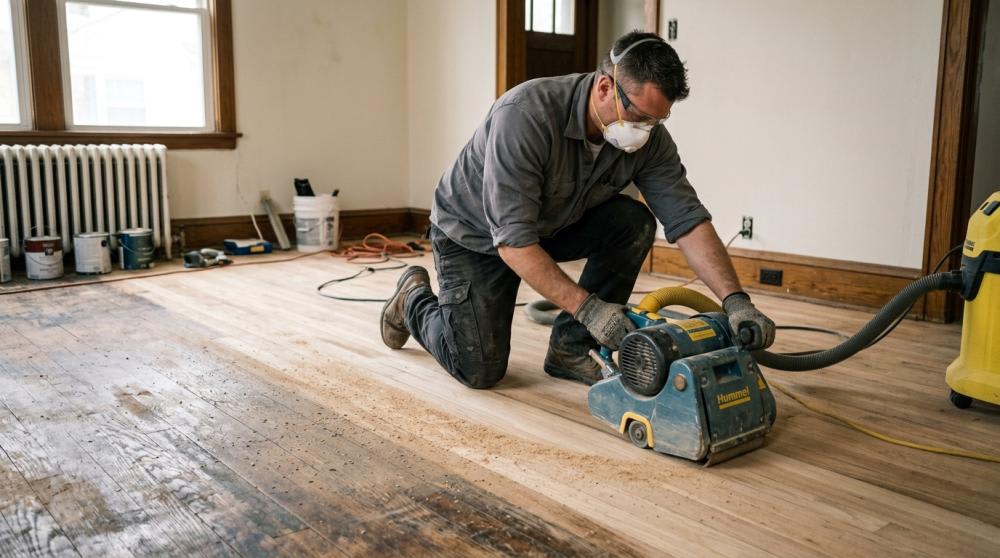
Unlike solid wood, which can be sanded multiple times, engineered wood has limits.
The number of times you can refinish it depends on the thickness of the top layer. Higher-quality options allow for more sanding, while cheaper versions may not.
Image suggestion:
A person sanding a wooden floor surface
Alt tag: sanding engineered wood flooring surface
2. Quality Can Vary
Not all engineered wood flooring is created equal.
Lower-quality products may:
-
Have thinner top layers
-
Feel less durable
-
Wear more quickly over time
It’s always worth investing in a reputable option to ensure longevity.
3. Can Still Be Scratched
Although durable, engineered wood is not scratch-proof.
Like any wood surface, it can show marks from:
-
Pets
-
Furniture
-
High foot traffic
Using rugs and protective pads can help minimise this.
4. Not Fully Waterproof
Engineered wood is more moisture-resistant than solid wood, but it isn’t completely waterproof.
Spills should still be cleaned up quickly, and it’s not always the best choice for bathrooms.
5. Initial Cost Can Still Be Higher Than Alternatives
While it’s more affordable than solid wood, it can still cost more than laminate or vinyl.
However, this often reflects its higher quality and longer lifespan.
Is Engineered Wood Flooring Worth It?
In most cases—yes, it absolutely is.
If you’re looking for flooring that offers:
-
A real wood finish
-
Long-term durability
-
Compatibility with modern heating systems
-
A wide range of styles
Then engineered wood flooring is a fantastic investment.
It’s particularly well-suited to busy homes where practicality matters just as much as appearance.
When Engineered Wood Flooring Is the Best Choice
You’ll likely benefit most from engineered wood if:
-
You want the look of real wood without the full cost
-
You have underfloor heating
-
You need something stable for changing temperatures
-
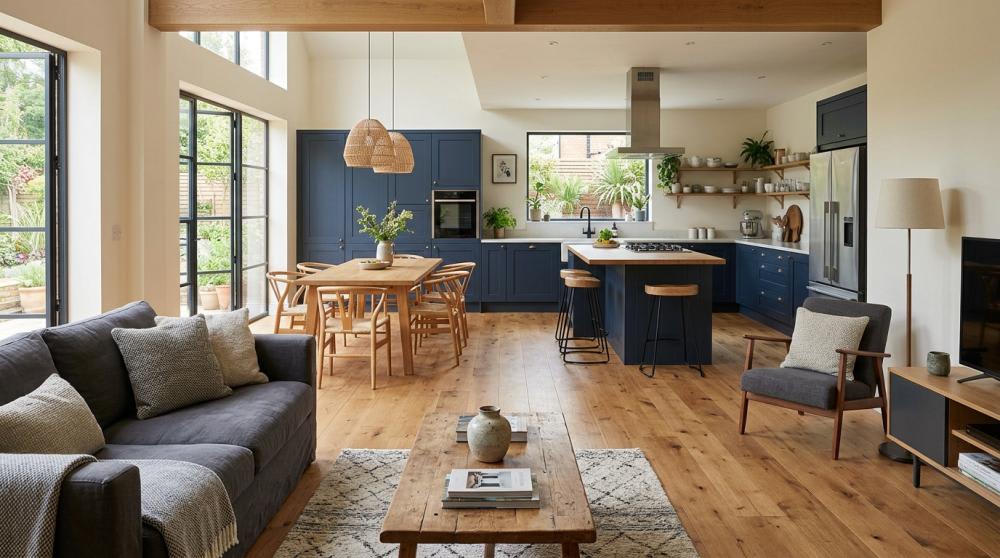
You’re designing a cohesive, natural interior
When It Might Not Be Right for You
It may not be the best fit if:
-
You want a fully waterproof solution
-
You’re on a very tight budget
-
You prefer flooring that can be refinished many times
In those cases, alternatives like vinyl or laminate may be worth considering.
Final Thoughts
Choosing flooring is always a balance between style, practicality, and budget. Engineered wood flooring manages to sit comfortably in the middle of all three.
It brings warmth and character into a home, while also offering the durability needed for everyday life.
If you invest in a good-quality option and care for it properly, it can last for many years—and still look beautiful.


