


Renovating your home is an exciting opportunity to create a space that truly works for you. However, even the most well-intentioned projects can go wrong without careful planning and smart decision-making.
Many renovation mistakes are not obvious at the start. Instead, they reveal themselves over time through unexpected costs, poor functionality, or design choices that simply do not work in everyday life.
The good news is that most of these issues can be avoided. By understanding what to look out for, you can approach your renovation with confidence and achieve a result that feels both practical and beautifully finished.
If you are in the early stages, it can help to explore home renovation tips before you start any project to avoid common issues later.
Focusing Too Much on Trends
It is easy to get caught up in current interior design trends. Social media and home magazines are full of inspiring ideas, from bold colours to statement flooring patterns.
However, trends can change quickly. What feels modern today may feel outdated in just a few years.
This does not mean you should ignore trends completely. Instead, use them carefully. For example, it is often better to keep larger elements such as flooring neutral and timeless, while using trends in smaller, changeable features like décor or accessories.
This approach ensures your home remains stylish without needing constant updates.

Not Thinking About Daily Life
One of the most common renovation mistakes is designing a space that looks good but does not work well in everyday life.
A beautiful kitchen may lack storage. A stylish hallway may not handle muddy shoes or heavy foot traffic.
Before making decisions, think about how your home is actually used.
Consider:
-
how often each room is used
-
who uses the space
-
what kind of wear and tear the area experiences
For example, choosing durable flooring in high-traffic areas can make a huge difference in maintaining the appearance of your home over time.

Ignoring Lighting and Layout
Lighting and layout are often overlooked during renovations. However, they have a significant impact on how a space feels.
Poor lighting can make even the most stylish room feel dull. Likewise, an awkward layout can limit how you use a space.
When planning your renovation, consider:
-
natural light sources
-
placement of lighting fixtures
-
how furniture will be arranged
Small adjustments in layout or lighting can dramatically improve both functionality and comfort. If your renovation involves structural changes, it is worth checking guidance from the Planning Portal.
Choosing Materials Without Research
Selecting materials too quickly is another mistake that can lead to long-term issues.
It is important to understand how materials will perform in real-life conditions. This is especially true for flooring, which experiences constant use.
For example:
-
some materials are better suited to moisture-prone areas
-
others offer better resistance to scratches and wear
-
some require more maintenance than others
Choosing materials based only on appearance can lead to disappointment later.
Investing time in research ensures you choose options that match both your style and your lifestyle.

Overlooking the Importance of Flooring
Flooring is sometimes treated as a finishing touch rather than a key design decision. In reality, it plays a central role in how a home looks and functions.
Poor flooring choices can affect:
-
durability
-
comfort
-
overall design consistency
It can be tempting to choose cheaper flooring to save money. However, lower-quality materials may wear out faster or need replacing sooner.
Instead, focus on flooring that offers a balance of durability, style, and long-term value.
Taking time to research choosing the right flooring for renovation projects can help you avoid costly replacements later.
Organisations such as the National Wood Flooring Association highlight the importance of choosing durable flooring.
Trying to Do Too Much at Once
Renovating an entire home in one go can be overwhelming.
While it may seem efficient, taking on too much at once can lead to:
-
budget pressure
-
rushed decisions
-
inconsistent design choices
A room-by-room approach often works better. It allows you to focus on each space individually while maintaining better control over your budget and timeline.
This also gives you time to refine your ideas as the renovation progresses.
Taking on too much at once can quickly stretch your finances, which is why understanding budgeting for a home renovation is so important. Resources such as MoneyHelper provide useful advice on managing renovation budgets effectively.

Not Planning for Storage
Storage is one of the most practical aspects of any home, yet it is often overlooked during renovations.
Without enough storage, even a beautifully designed space can feel cluttered and disorganised.
Think about:
-
built-in storage solutions
-
hidden storage options
-
how everyday items will be stored
Planning storage early helps maintain a clean and functional home long after the renovation is complete.
Underestimating Disruption
Renovations can be disruptive, especially if you are living in the home during the process.
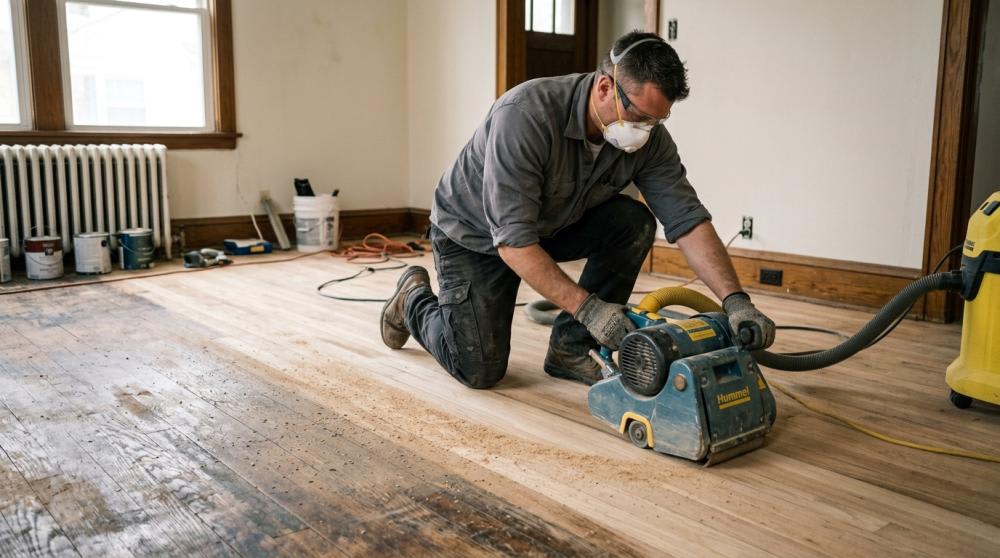
Dust, noise, and limited access to certain areas can make daily life challenging.
It is important to plan for this disruption by:
-
setting realistic timelines
-
preparing temporary living spaces
-
scheduling work in manageable stages
Understanding what to expect can make the process much easier to handle.
Forgetting About the Bigger Picture
Focusing too closely on individual rooms can sometimes lead to a disjointed final result.
Each room may look great on its own, but the home as a whole may lack cohesion.
To avoid this, think about:
-
consistent colour palettes
-
complementary materials
-
flooring continuity between spaces
Flooring, in particular, plays a key role in tying rooms together. Choosing consistent or complementary flooring helps create a sense of flow throughout the home.
Rushing the Final Decisions
As a renovation nears completion, it can be tempting to rush the final decisions.
However, this is when attention to detail matters most.
Small elements such as:
-
finishes
-
fixtures
-
transitions between rooms
can have a big impact on the overall result.
Taking time at this stage ensures the finished space feels polished and well thought out.

Frequently Asked Questions About Renovation Mistakes
What is the biggest renovation mistake homeowners make?
One of the biggest renovation mistakes is starting without proper planning. This often leads to delays, unexpected costs, and design changes during the project.
How can I avoid overspending on a renovation?
Setting a clear budget and including a contingency fund can help prevent overspending. It is also important to prioritise key areas and avoid making rushed decisions.
Are cheap materials a bad choice for renovations?
Cheap materials can lead to higher costs over time if they wear out quickly or need replacing. Investing in durable materials often provides better long-term value.
Why is flooring important in a renovation?
Flooring plays a key role in both the appearance and functionality of a home. Choosing the right flooring helps ensure durability, comfort, and a cohesive design.
Should I renovate one room at a time?
Yes, renovating room by room can make the process more manageable. It also helps you control your budget and make better decisions for each space.
Final Thoughts
Renovating your home is a chance to create a space that truly reflects your needs and style. However, avoiding common renovation mistakes is essential for achieving a successful result.
By thinking beyond trends, focusing on practicality, and choosing materials carefully, you can create a home that works beautifully for everyday life.
Flooring is one of the most important elements in any renovation. Choosing durable, high-quality flooring can transform your space while supporting long-term performance.
With the right approach, your renovation can feel smooth, rewarding, and well worth the effort.
Be sure to explore my upcoming and past blogs for more renovation advice, flooring inspiration, and practical home improvement tips.


