


Renovating a home can be incredibly rewarding. However, without a clear plan, projects can quickly become stressful and expensive. That is why having a structured renovation checklist is essential before any work begins.
Whether you are updating a single room or renovating your entire home, this guide will walk you through the most important steps. By following a clear checklist, you can stay organised and avoid common renovation mistakes.
This practical home renovation checklist will help you prepare properly, manage your budget, and achieve a result you will love.
If you are just beginning your renovation journey, it may also help to read our guide on home renovation tips before starting a project. This guide explains how to plan your renovation properly and avoid common mistakes.
Quick Home Renovation Checklist
-
Define your renovation goals
-
Set a realistic renovation budget
-
Research materials and finishes
-
Check planning permission requirements
-
Create a renovation timeline
-
Hire reliable contractors
-
Prepare your home before work begins
Define Your Renovation Goals
Before starting a renovation project, it is important to understand exactly what you want to achieve.
Ask yourself a few key questions:
-
Are you renovating to improve your living space?
-
Do you want to increase your property value?
-
Are there structural problems that need fixing?
Clear goals will guide every decision throughout your renovation.
For example, some homeowners prioritise modernising kitchens and bathrooms. Others focus on improving storage or creating open-plan living areas.
Knowing your priorities will make the entire renovation process much easier.

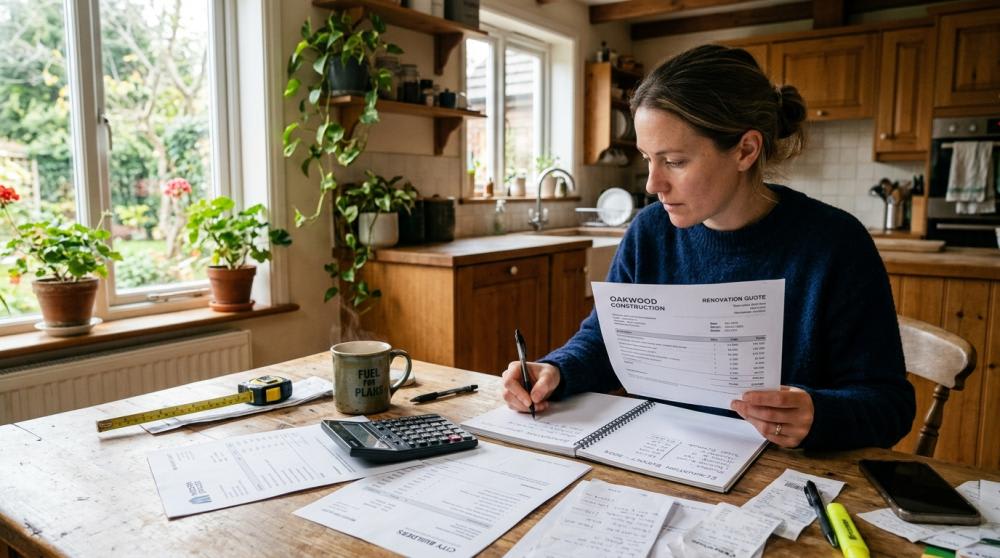
Set a Realistic Renovation Budget
Budget planning is one of the most important parts of any renovation project.
Without a clear financial plan, costs can quickly increase. Therefore, it is wise to calculate a realistic budget before starting work.
A good renovation budget should include:
-
Labour costs
-
Materials and finishes
-
Fixtures and fittings
-
Unexpected repair costs
Most renovation experts recommend setting aside an extra 10–20 percent for unexpected issues.
Older homes can sometimes reveal hidden problems such as plumbing faults or uneven flooring. Planning for these surprises helps keep your project on track.
Many homeowners underestimate renovation costs. Reliable budgeting advice from services such as MoneyHelper can help you plan renovation spending more effectively.
Research Materials and Finishes
Choosing the right materials will affect both the appearance and durability of your renovation.
It may be tempting to choose the cheapest option. However, investing in quality materials often saves money in the long term.
Flooring, in particular, should balance style with performance. Durable flooring choices are essential for areas that experience daily wear.
Modern renovation projects often use options such as engineered wood flooring, laminate flooring, or luxury vinyl planks. These materials offer durability, low maintenance, and a wide range of design styles.
Choosing high-quality flooring can also help improve the long-term value of your home. If you are renovating multiple rooms, exploring the best flooring options for each space can make a huge difference.
Check Planning Permission and Regulations
Some renovations require approval before work begins. This is particularly important if you plan to make structural changes.
Examples of projects that may require permission include:
-
Home extensions
-
Loft conversions
-
Major structural alterations
It is always best to check local regulations before starting work. You can review official guidance on planning permission and building regulations through the Planning Portal.
Plan the Renovation Timeline
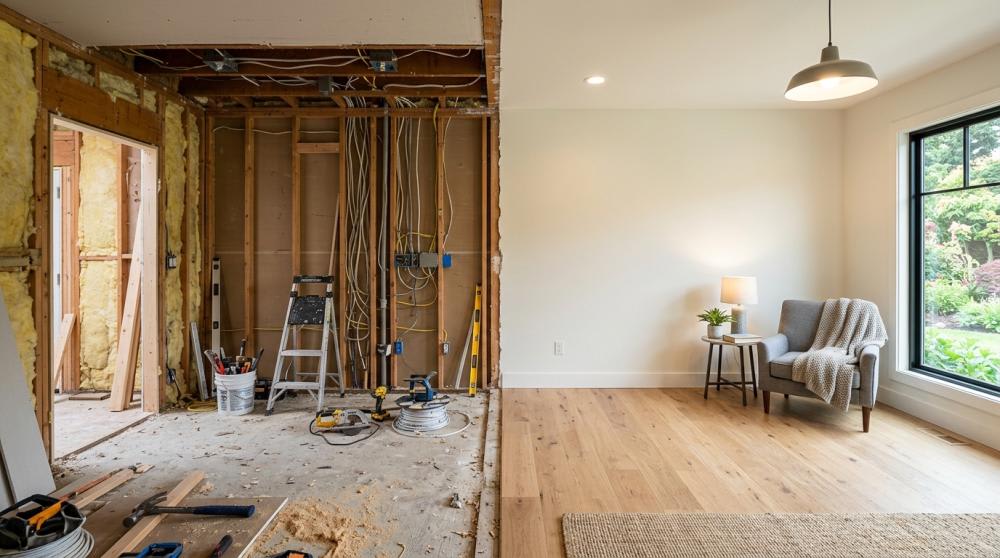
Renovations work best when tasks happen in the correct order.
A typical renovation timeline often follows this structure:
-
Structural changes
-
Electrical and plumbing installation
-
Wall preparation and plastering
-
Flooring installation
-
Decorating and finishing touches
Following the correct sequence protects completed work and helps the project run smoothly.
Choose the Right Contractors
Hiring experienced professionals can make a huge difference to the success of your renovation.
When selecting contractors, consider the following:
-
Reviews and previous projects
-
Professional qualifications
-
Clear written quotes
Comparing several quotes can help you understand realistic renovation costs.
Good communication with your contractors will also help ensure the project stays on schedule.

Prepare Your Home for Renovation
Before construction begins, take time to prepare your home.
Simple preparation tasks include:
-
Removing furniture from renovation areas
-
Protecting floors and surfaces
-
Creating temporary living areas if needed
Preparing your home properly will reduce disruption during the renovation process and make the work easier for contractors.
Final Thoughts
A successful renovation always begins with careful planning. By following this complete home renovation checklist, you can avoid common mistakes and stay organised throughout your project.
From budgeting and material choices to planning timelines and hiring contractors, every step plays an important role in achieving a beautiful result.
If you are planning new flooring as part of your renovation, choosing durable and stylish options can transform your home while adding long-term value.
Be sure to explore my upcoming and past blogs for more renovation inspiration, flooring advice, and practical home improvement ideas.

Frequently Asked Questions
What should I do first when planning a renovation?
Start by defining your renovation goals and setting a realistic budget. Clear planning helps prevent delays and unexpected costs later.
How much extra budget should I allow for renovations?
Many experts recommend adding around 10–20 percent to your renovation budget for unexpected costs.
When should flooring be installed during a renovation?
Flooring is usually installed after structural work, plumbing, and plastering are completed but before final decorating.


