


Renovating your home can feel exciting at first. Then reality sets in. Where do you actually begin?
Many homeowners face this exact question. With so many rooms, decisions, and costs involved, it is easy to feel overwhelmed. However, approaching your renovation one room at a time can make the process far more manageable.
Instead of trying to tackle everything at once, a room-by-room approach allows you to prioritise, budget more effectively, and create a more cohesive home overall.
If you are planning a renovation, this guide will help you decide where to start and how to move through your home in a logical and stress-free way.
Start With the Rooms You Use the Most
When deciding where to begin, it makes sense to focus on the spaces you use every day.
For most homes, this includes:
-
the kitchen
-
the living room
-
the main hallway
These areas have the biggest impact on your daily life. Therefore, improving them first can make your home feel more functional and enjoyable straight away.
For example, updating flooring in a busy living space can instantly refresh the entire home. It also sets the tone for the rest of the renovation.
If you are still in the early planning stages, it can help to explore home renovation tips before you start any project to make better decisions from the beginning.

Consider the Condition of Each Room
Sometimes, the best place to start is not the most used room, but the one in the worst condition.
Look for signs such as:
-
worn or damaged flooring
-
outdated fixtures
-
poor layout or storage
-
visible wear and tear
Addressing these issues early can prevent further damage and improve comfort.
In many cases, flooring is one of the first elements to show wear. Replacing tired floors can quickly transform a space without needing a full renovation.
Kitchen Renovations: A Smart Starting Point
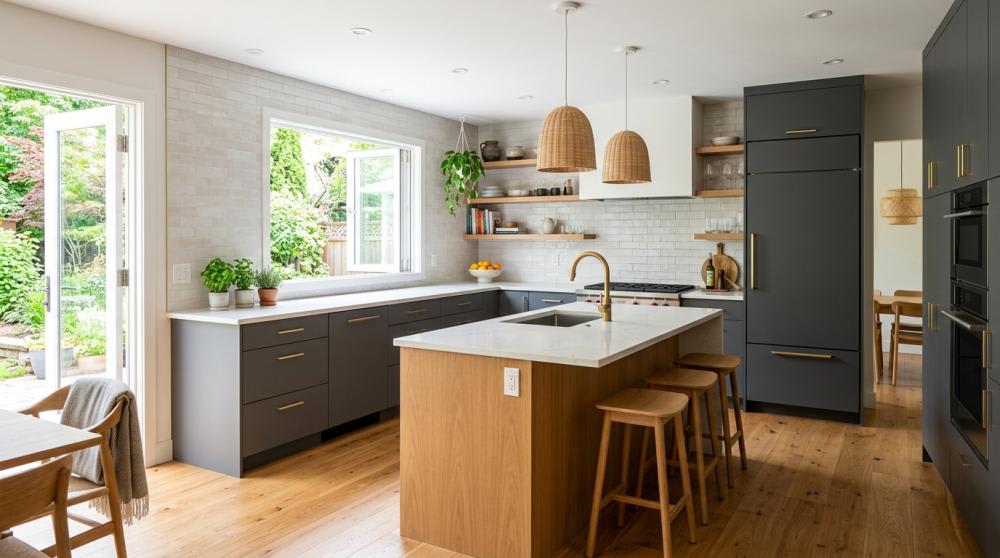
The kitchen is often considered the heart of the home. It is also one of the most valuable areas to renovate.
Starting with the kitchen can:
-
improve daily functionality
-
increase property value
-
set a design style for the rest of the home
When renovating a kitchen, flooring plays a crucial role. It needs to handle spills, heavy foot traffic, and regular cleaning.
Durable options such as luxury vinyl or engineered wood are often chosen because they combine practicality with style.
If your renovation involves structural changes, it is worth checking guidance from the Planning Portal to understand any permissions required.
Living Rooms: Creating Comfort and Style
Once the kitchen is complete, many homeowners move on to the living room.
This space is all about comfort and relaxation. Therefore, flooring should feel warm and inviting while still being durable.
Engineered wood and laminate flooring are popular choices here. They offer a natural look while being suitable for everyday use.
Updating the living room can make a noticeable difference, especially if it connects to other areas such as dining spaces or hallways.
Bedrooms: Focus on Comfort
Bedrooms are usually less urgent than kitchens or living areas. However, they are still important for creating a calm and comfortable home.
Because these rooms experience less traffic, you have more flexibility in your flooring choices.
Soft tones and warm materials work well in bedrooms. Many homeowners choose laminate or wood-effect flooring to create a relaxing atmosphere.
Renovating bedrooms later in the process also allows you to spread your budget more effectively.

Bathrooms: Plan Carefully
Bathrooms can be more complex to renovate due to plumbing and moisture considerations.
For this reason, it is often best to plan bathroom renovations carefully rather than rushing into them.
Water-resistant flooring is essential in these spaces. Choosing the right material helps prevent long-term damage and reduces maintenance.
Although bathrooms may not always be the first room to renovate, they are an important part of the overall project.
Hallways and Connecting Spaces
Hallways are often overlooked, yet they connect the entire home.
Updating hallway flooring can create a sense of flow between rooms. It also improves the first impression of your home.
Because hallways experience heavy foot traffic, durability is key. Hard-wearing flooring options are usually the best choice here.
Consistent flooring across hallways and adjoining rooms can make a home feel more spacious and cohesive.

Work in a Logical Order
Renovating room by room is helpful. However, the order still matters.
A typical approach might look like this:
-
Kitchen
-
Living areas
-
Bedrooms
-
Bathrooms
-
Hallways and finishing touches
This order allows you to complete the most impactful spaces first while leaving less disruptive areas until later.
It also helps you manage your budget more effectively across the project.
Following a complete home renovation checklist can help you stay organised as you move from one room to the next.
Think About Flooring Early
One of the most important decisions in any renovation is flooring.
Flooring connects rooms, influences design, and affects how a home feels overall. Therefore, it should be considered early in the process.
Choosing flooring upfront allows you to:
-
create consistency across rooms
-
avoid mismatched styles
-
plan installation at the right stage
It also helps ensure that your renovation feels cohesive rather than pieced together over time.
Taking time to research choosing the right flooring for renovation projects will help ensure each room works both practically and visually.
Budgeting Room by Room
A room-by-room renovation approach also makes budgeting easier.
Instead of funding the entire project at once, you can allocate your budget gradually.
For example:
-
invest more in high-use areas such as kitchens and living rooms
-
save on lower-traffic spaces like spare bedrooms
-
spread costs over time
This approach allows you to maintain quality while staying within your financial limits.
For more detailed guidance, resources such as MoneyHelper offer helpful advice on budgeting for home improvements.
If sustainability is a priority, look for flooring certified by organisations like the Forest Stewardship Council.
Final Thoughts
Renovating your home does not need to feel overwhelming. By focusing on one room at a time, you can create a clear plan and make steady progress.
Starting with the most important or most used spaces helps you see results quickly. From there, you can move through your home in a logical order, improving each area step by step.
Flooring plays a key role throughout this process. Choosing the right flooring for each room can transform your home while ensuring durability and long-term value.
If you are planning a renovation, taking a structured approach will help you stay organised and achieve a result you will love.
Be sure to explore my upcoming and past blogs for more renovation advice, flooring inspiration, and practical home improvement tips.


