


When planning a home renovation, one of the most common questions homeowners ask is: What should happen first?
Renovations involve many moving parts, and completing tasks in the wrong order can cause delays, extra costs, or damage to finished areas.
Understanding the correct renovation timeline can help projects run smoothly and prevent unnecessary setbacks. From structural work to final decorating, each stage of a renovation builds on the previous one.
If you are preparing for a renovation project, this guide explains the typical order of work so you know what to expect.
Planning and Preparation
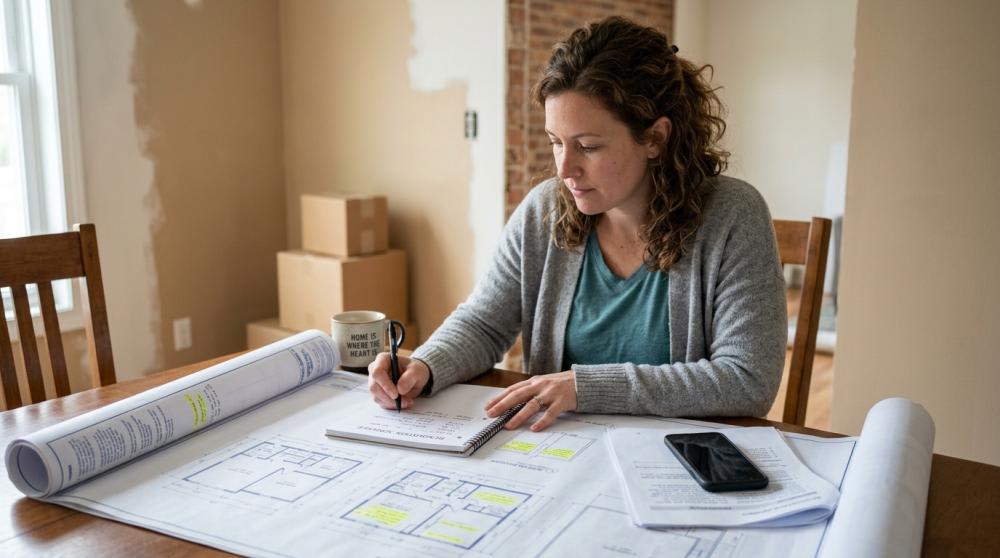
Before any physical work begins, the planning stage is essential. This step sets the foundation for the entire renovation project.
If you are just starting to plan your project, it may also help to review our guide on home renovation tips before you start any project, which explains how early planning decisions can prevent delays later in the renovation process.
During this stage, homeowners usually:
-
define renovation goals
-
set a realistic budget
-
research materials and finishes
-
consult contractors or designers
Planning also includes confirming whether any permissions or building regulations apply to your project.
Taking time to organise these details early can prevent major problems once construction begins.
Many homeowners also find it useful to follow a complete home renovation checklist, which outlines the key steps to organise before construction begins.
Structural and Demolition Work
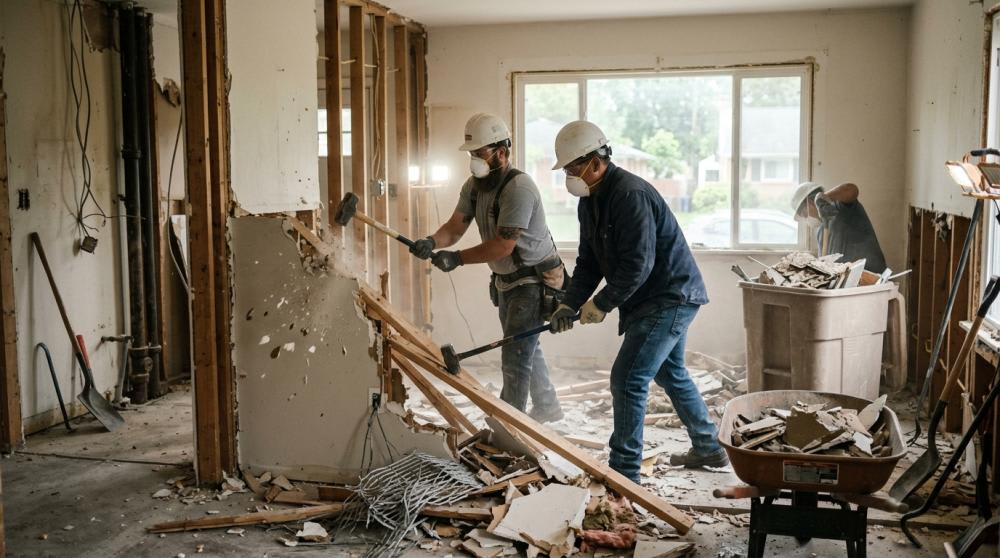
Once planning is complete, the first stage of physical work usually involves demolition or structural changes.
This may include:
-
removing old flooring or fixtures
-
knocking down walls
-
adjusting layouts
-
repairing structural elements
Starting with demolition ensures that the space is prepared for the next stages of construction.
It can be one of the messiest parts of a renovation, but it is an important step in creating the new layout.
Plumbing and Electrical Installation
After structural work, contractors typically move on to plumbing and electrical systems.
These installations are often hidden behind walls, ceilings, or floors. Because of this, they must be completed before surfaces are finished.
Examples of work during this stage include:
-
installing new wiring
-
relocating electrical outlets
-
updating plumbing pipes
-
fitting lighting systems
Completing these systems early ensures everything functions correctly before the walls are sealed and decorated.

Walls, Ceilings, and Surface Preparation
Once plumbing and electrical work is finished, the next step is preparing the walls and ceilings.
This stage may involve:
-
plastering walls
-
repairing surfaces
-
installing drywall
-
sanding and smoothing finishes
Proper surface preparation is important because it creates the foundation for painting, decorating, and other finishing touches.
Skipping this step or rushing it can lead to uneven walls or poor paint finishes later.
Flooring Installation
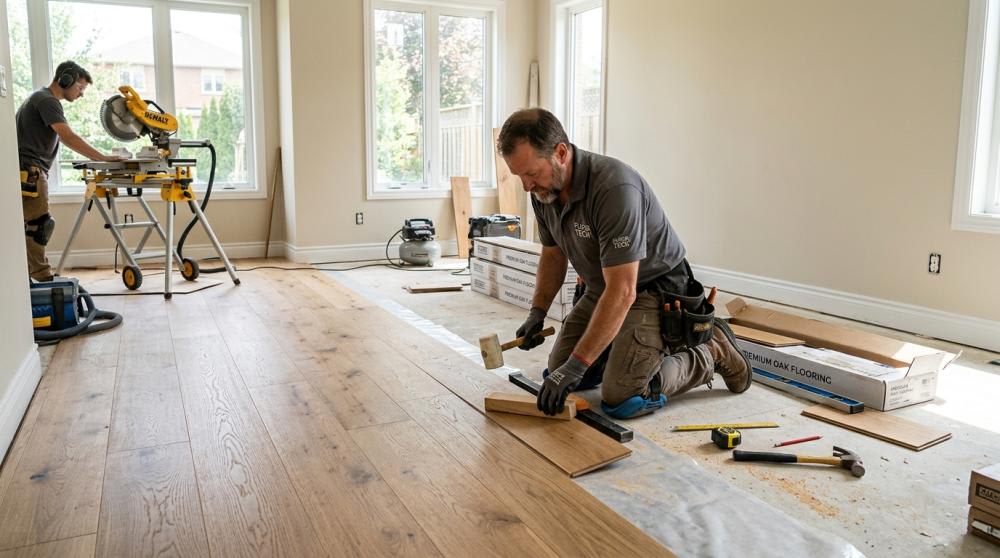
Flooring is typically installed once the major construction work is complete.
Installing flooring too early can lead to damage during construction. In fact, poor project sequencing is one of the renovation mistakes that cost homeowners thousands if floors need replacing.
By waiting until later in the renovation timeline, homeowners can reduce the risk of damaging new floors during earlier stages of construction.
Different flooring types may be installed depending on the room and renovation goals. Popular renovation choices include engineered wood flooring, laminate flooring, and luxury vinyl flooring.
Choosing the right material is equally important. Exploring the best flooring options for renovation projects can help homeowners select durable and practical solutions for each room.
Installing flooring near the end of the renovation helps protect it from heavy tools, dust, and building materials.
Decorating and Final Details
The final stage of the renovation process focuses on finishing touches that bring the entire space together.
This stage often includes:
-
painting walls and ceilings
-
installing skirting boards
-
fitting light fixtures
-
placing furniture and décor
Although these details come last, they play a major role in defining the overall appearance of the finished space.
Once these elements are completed, the renovation is finally ready to enjoy.
Final Thoughts
A successful renovation depends on completing each stage in the correct order. From planning and demolition to flooring and decorating, every step contributes to the final result.
Understanding the renovation timeline helps homeowners avoid costly mistakes and ensures the project runs more efficiently.
By preparing carefully and following a logical sequence of work, renovation projects can progress smoothly and deliver beautiful, long-lasting results.
If you are planning new flooring as part of your renovation, exploring durable and stylish flooring options early in the process can help ensure the final design feels cohesive and practical.
For more renovation advice, inspiration, and flooring ideas, be sure to explore my upcoming and past blogs.
Frequently Asked Questions About Renovation Timelines
What is the first step in a home renovation?
The first step in any home renovation is planning. This includes defining your goals, setting a budget, and deciding which areas of the home need updating. Proper planning helps ensure the renovation runs smoothly once construction begins.
In what order should a house renovation happen?
Most renovations follow a similar sequence. Structural work and demolition usually happen first, followed by plumbing and electrical installation. After that, walls and ceilings are prepared before flooring is installed. Decorating and finishing touches typically happen last.
When should flooring be installed during a renovation?
Flooring is usually installed near the end of a renovation project. Installing flooring after structural work, plumbing, and plastering helps prevent damage to new floors during construction.
How long does a typical home renovation take?
The length of a renovation depends on the size and complexity of the project. Smaller renovations may take a few weeks, while full home renovations can take several months.


