


If you’ve ever stood in a room with solid wood flooring beneath your feet, you’ll know it feels different. It’s warmer. It’s grounded. It has that quiet confidence that never really goes out of style.
However, when you start looking at prices, it’s completely natural to pause and ask: is solid wood flooring worth the money?
It’s not the cheapest option on the market. Yet it remains one of the most desirable. So let’s properly unpack the cost, the benefits, the drawbacks, and whether it truly delivers long-term value.
What Exactly Is Solid Wood Flooring?
Solid wood flooring is made from one single piece of timber. Unlike engineered wood, there are no layers beneath the surface. Each plank is cut from solid hardwood, usually oak, walnut, or ash.
Because it’s a full piece of timber, it behaves like wood naturally does. It expands. It contracts. It responds to humidity and temperature changes. That can be both a strength and a weakness, depending on your home.

The Initial Cost: Why Is It More Expensive?
Let’s be honest. Price is usually the first concern.
Solid wood flooring tends to cost more per square metre than laminate, vinyl, or even engineered wood. There are a few reasons for this:
-
It uses more raw hardwood.
-
It requires careful milling and finishing.
-
Installation can be more labour-intensive.
-
It often needs acclimatisation before fitting.
You are paying for a premium natural material. That said, price alone does not determine value. Longevity and performance matter just as much.
Longevity: A Floor That Can Last Generations
One of the strongest arguments in favour of solid wood flooring is how long it lasts.
With proper care, solid wood flooring can last 50 to 100 years. In fact, many period properties in the UK still have their original timber floors. They’ve simply been sanded and refinished over time.
Because each plank is solid timber, it can be sanded multiple times. Scratches, dents, and wear marks are not permanent. They can be removed. This makes it a long-term investment rather than a temporary solution.
If you plan to stay in your home for many years, that durability becomes very appealing.
Does It Add Value to Your Home?
Estate agents often highlight solid wood flooring as a premium feature, and guidance from RICS (Royal Institution of Chartered Surveyors) suggests that quality materials and finishes can positively influence buyer perception. Buyers tend to associate it with quality and longevity.
While it’s difficult to calculate an exact financial return, solid wood flooring can:
-
Increase perceived property value
-
Improve visual appeal during viewings
-
Make rooms feel larger and brighter
-
Appeal to buyers seeking natural materials
According to property data from Rightmove, presentation and high-quality finishes can significantly affect how quickly a property attracts interest. Flooring sets the tone of a space immediately.

The Beauty Factor: Timeless Appeal
Trends come and go. Grey washes fade. High-gloss finishes cycle in and out of fashion. Yet natural timber rarely feels dated.
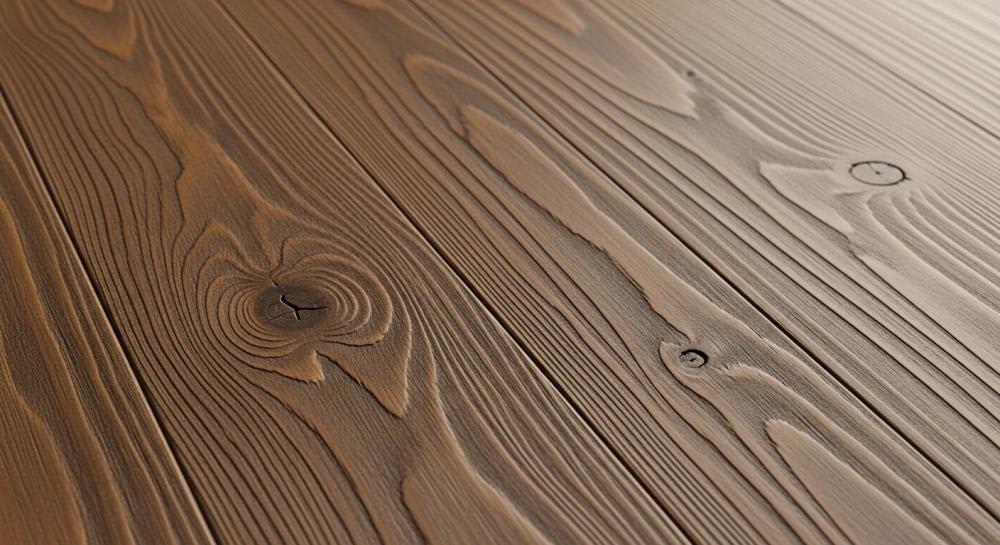
The grain patterns in solid oak or walnut cannot be replicated perfectly. Each plank has character. Knots, variation, and texture give depth to a room.
Over time, solid wood develops a patina. Rather than looking worn out, it often looks richer. That ageing process is something many homeowners love.
If aesthetics are important to you, solid wood flooring is difficult to beat.
The Drawbacks You Should Consider
To decide if it’s worth the money, we must look at the challenges honestly.
1. Movement with Temperature and Humidity
Solid wood expands in humid conditions and contracts when dry. In UK homes, seasonal changes can affect it.
That’s why it’s not always recommended for:
-
Bathrooms
-
Basements
-
Areas with underfloor heating
Guidance from the Energy Saving Trust explains how different flooring types interact with heating systems and overall energy efficiency in UK homes.
2. Installation Requirements
It often needs professional installation. It may be nailed or glued down rather than floated. This can increase fitting costs.
It also needs time to acclimatise in your home before installation. That step cannot be rushed.
3. Susceptibility to Scratches
Solid wood can scratch. High heels, pet claws, and furniture movement can leave marks. However, these can usually be sanded out later.
If you want something completely scratch-proof, wood may not be the right choice.
Maintenance: Is It High Effort?
Surprisingly, solid wood flooring is not difficult to maintain.
Regular sweeping and occasional damp mopping is usually enough. Harsh chemicals should be avoided. Protective pads under furniture help prevent dents.
Every few years, depending on wear, you may choose to re-oil or refinish the surface. That refresh brings the floor back to life.
Consumer advice platform Which? regularly highlights durability and long-term performance as key considerations when choosing flooring materials.
Solid Wood vs Engineered Wood: The Real Question
Many people asking whether solid wood flooring is worth the money are actually comparing it to engineered wood.
-
Is more stable in changing temperatures
-
Works better with underfloor heating
-
Is usually more affordable
-
Still has a real wood top layer
-
Can be sanded more times
-
Often lasts longer
-
Feels completely authentic
-
Appeals to traditionalists
For many modern homes, engineered wood offers a practical balance between cost and performance. However, if you want the purest form of timber flooring and maximum lifespan, solid wood has the edge.
Is It Budget-Friendly in the Long Term?
Although the upfront cost is higher, solid wood flooring can be cost-effective over decades.
Think about replacing cheaper flooring every 10 to 15 years. Those repeated purchases add up. Solid wood, when maintained properly, may never need full replacement.
It is also biodegradable and natural. That makes it more eco-friendly than many synthetic alternatives. Sustainability is increasingly important for homeowners.
From a lifecycle perspective, solid wood can justify its price.
Who Should Invest in Solid Wood Flooring?
Solid wood flooring may be worth the money if:
-
You plan to stay in your home long-term
-
You value natural materials
-
You want a timeless aesthetic
-
You do not have underfloor heating
-
You are prepared for professional installation
It may not be ideal if:
-
You are renovating on a tight short-term budget
-
You need flooring for moisture-heavy areas
-
You want minimal installation disruption
Understanding your lifestyle is key.
So, Is Solid Wood Flooring Worth the Money?
The honest answer is: it depends on your priorities.
If you’re looking for the cheapest flooring option available, then no, solid wood will not be worth it. There are more affordable alternatives.
However, if you value durability, longevity, natural beauty, and potential resale appeal, then yes, it absolutely can be worth the investment.
It’s not just a floor. It becomes part of your home’s structure and story. Over time, it often looks better rather than worse. That’s something very few materials can claim.
When chosen thoughtfully and installed correctly, solid wood flooring can serve you for decades. For many homeowners, that reassurance makes the initial cost feel far more reasonable.
If you're weighing up your options, it’s always worth comparing solid and engineered wood carefully. The right choice depends on your home, your heating, and your lifestyle.
If you found this helpful, do keep an eye out for my upcoming blogs where I break down comparisons, costs, and installation advice in even more detail. There’s plenty more flooring wisdom to share.


