


Engineered wood flooring brings timeless beauty and natural warmth to your home—but like all wood floors, it needs a little TLC to stay looking its best. The good news? With a few easy habits and occasional care, you can keep your floor looking fabulous for years to come.
In this guide, we’ll cover all the essential ways to maintain your engineered wood flooring, from daily cleaning to long-term protection tips. Whether you’ve just had your floor installed or want to refresh a well-loved space, you’ll find practical, user-friendly advice to help you along the way.
Why Maintenance Matters
Engineered wood may be more stable than solid wood, but it’s still a natural product. Proper maintenance protects the top wear layer—whether it’s lacquered, oiled, or brushed—and helps your floor resist scratches, moisture, and everyday wear and tear.
Regular care not only keeps your floor looking beautiful but also extends its lifespan and helps you get the most out of your investment.
1. Regular Cleaning: Little and Often
Sweep or Vacuum Daily
Dust and dirt can act like sandpaper underfoot, dulling the finish over time. Use a soft-bristled broom or a vacuum with a wood-floor setting to gently remove debris. Avoid vacuum attachments with rotating brushes, as they can scratch the surface.
Mop Weekly (But Keep It Dry!)
Use a damp—not wet—microfibre mop to clean the surface. Excess water can seep into the joints and cause damage. If you’re using a cleaning product, make sure it’s pH-neutral and specifically designed for wood flooring.
Top Tip: Always dry the floor after mopping to avoid lingering moisture.
2. Use the Right Products
Engineered wood flooring finishes need specific care. Using the wrong cleaner can strip the finish or leave a sticky residue.
-
Lacquered floors: Use cleaners made for sealed wood. Avoid anything too soapy or acidic.
-
Oiled floors: Use oil-refreshing soaps or maintenance oils designed to nourish the surface.
-
Brushed or distressed finishes: Opt for products that protect the textured surface without building up a film.
Avoid:
Bleach, steam cleaners, or general-purpose sprays—these can all damage the wood or finish over time.
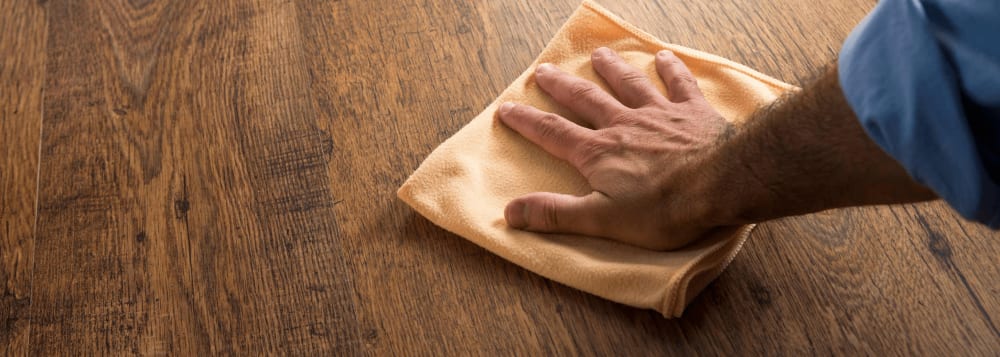
3. Preventative Measures That Make a Difference
Use Door Mats and Rugs
Place doormats at entrances to reduce dirt, grit, and moisture being tracked across your floor. In high-traffic areas like hallways or kitchens, rugs or runners can help protect against wear.
Choose rugs with a breathable backing to avoid trapping moisture.
Add Felt Pads to Furniture
Furniture legs can scuff or dent wood floors. Stick felt pads under chairs, sofas, and tables to allow smooth movement without scratches.
Replace them regularly—they wear out quicker than you think!
Remove Shoes
Encourage a no-shoes policy indoors, especially high heels, which can leave pressure marks or dents in the surface.
4. Tackle Spills Quickly
Accidents happen—but when they do, swift action is key. Wipe up any spills immediately using a soft, absorbent cloth. Avoid letting water or liquids pool on the surface, as prolonged exposure can seep into the joints and damage the floor.
For sticky or stubborn spills, use a slightly damp cloth with a wood-safe cleaner, then dry the area thoroughly.
5. Maintain the Room Environment
Wood is a natural material and responds to changes in temperature and humidity. To prevent your engineered flooring from warping or gapping, aim to maintain a stable indoor environment:
-
Ideal temperature: 18–24°C
-
Humidity: 40–60%
Use a humidifier in winter and dehumidifier in summer if needed. Underfloor heating? Make sure it’s compatible with engineered wood and gradually increase the temperature to avoid shock.
6. Refreshing and Re-Oiling
For oiled engineered floors, re-oiling once every 12–18 months helps restore their sheen and protective layer. It's a quick job—clean the floor thoroughly, apply maintenance oil with a cloth or mop, and let it dry completely.
Don’t overdo it—too much oil can create a sticky surface.
If your floor looks dry or patchy, that’s usually a sign it’s ready for a top-up.

7. Light Sanding and Refinishing
One of the biggest advantages of engineered wood is that it can be refinished—at least once or twice, depending on the wear layer thickness.
If your floor is heavily scratched or the finish has worn away in places, sanding and refinishing might be the answer. This involves lightly sanding the top layer and applying a fresh coat of lacquer or oil.
Note: This is best done by a professional to avoid removing too much of the wear layer.
8. Avoid Common Mistakes
Even well-meaning habits can cause damage if you’re not careful. Here are a few to avoid:
-
Dragging heavy furniture—always lift and use padding.
-
Leaving pet bowls directly on the floor—use mats underneath to catch splashes.
-
Using too much water or cleaner—more isn’t always better.
-
Letting dirt build up—grit can grind into the surface unnoticed.
Final Thoughts
Engineered wood flooring is a wonderful investment—full of natural beauty, warmth, and character. With just a little care and attention, your floor will reward you with years of good looks and reliable performance.
By adopting these simple maintenance habits, you'll protect your flooring, enhance its lifespan, and keep your home looking its absolute best.
Looking for specific products or advice tailored to your floor’s finish? Visit Flooring365.co.uk or get in touch—we're always happy to help.


